When you walk onto a modern factory floor, you will likely see a variety of metal structures: machine bases, conveyor supports, robotic enclosures, workstations, and safety guarding. For decades, the default choice for such frameworks was welded steel—strong, familiar, and seemingly durable. But today, a quieter revolution is underway. More and more engineers, plant managers, and maintenance teams are turning to T‑slot aluminium extrusion frameworks—and for good reason.
Whether you are building a new production line, retrofitting automation equipment, or simply setting up an adjustable workbench, T‑slot aluminium profiles offer a compelling alternative to traditional welded steel or wood structures. But are they right for your application? In this article, we will explore four key advantages that make T‑slot aluminium frameworks an increasingly popular choice across industries—from machine building and material handling to cleanroom environments and even office furniture.
What Is a T‑Slot Aluminium Framework?
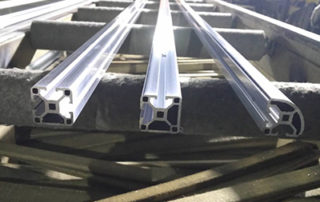
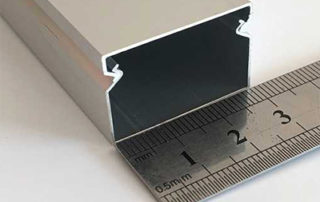
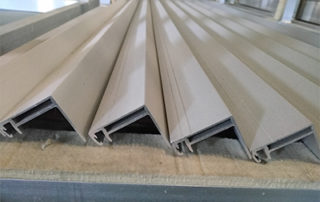
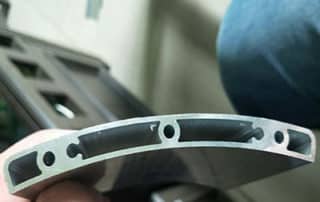
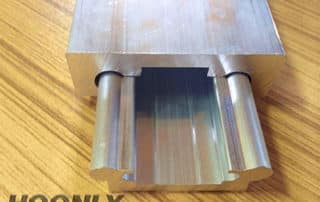
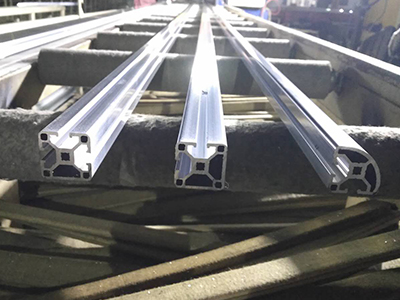
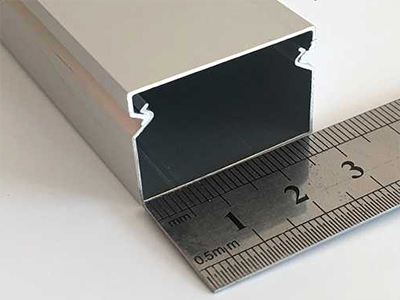
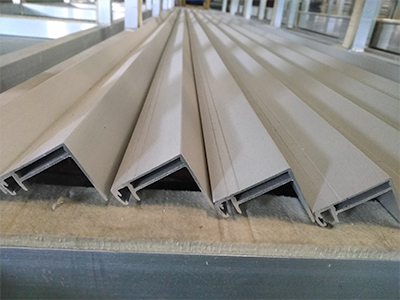
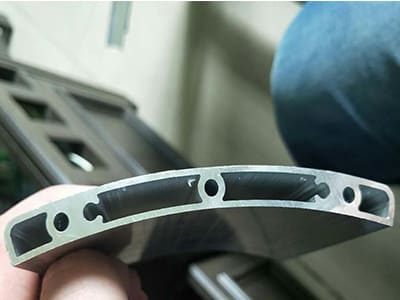
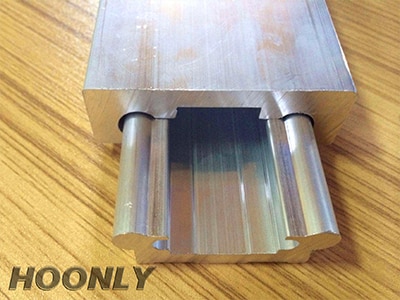
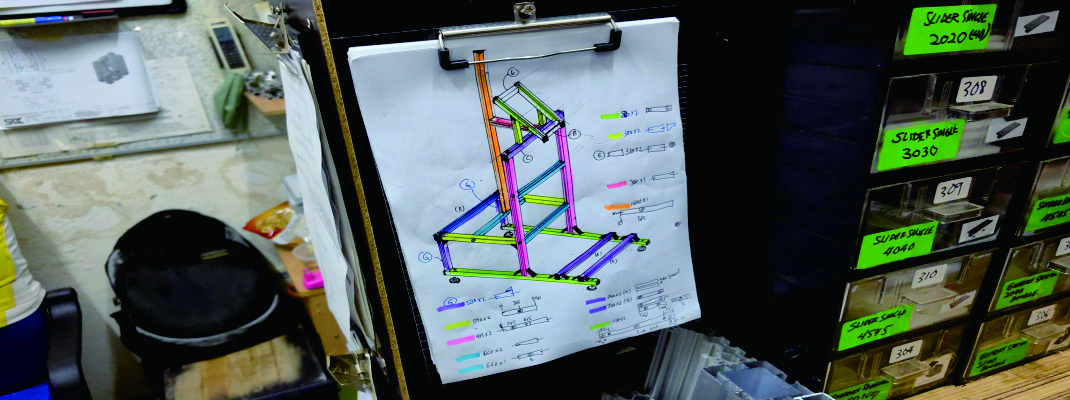
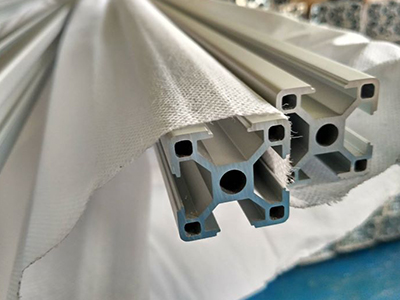
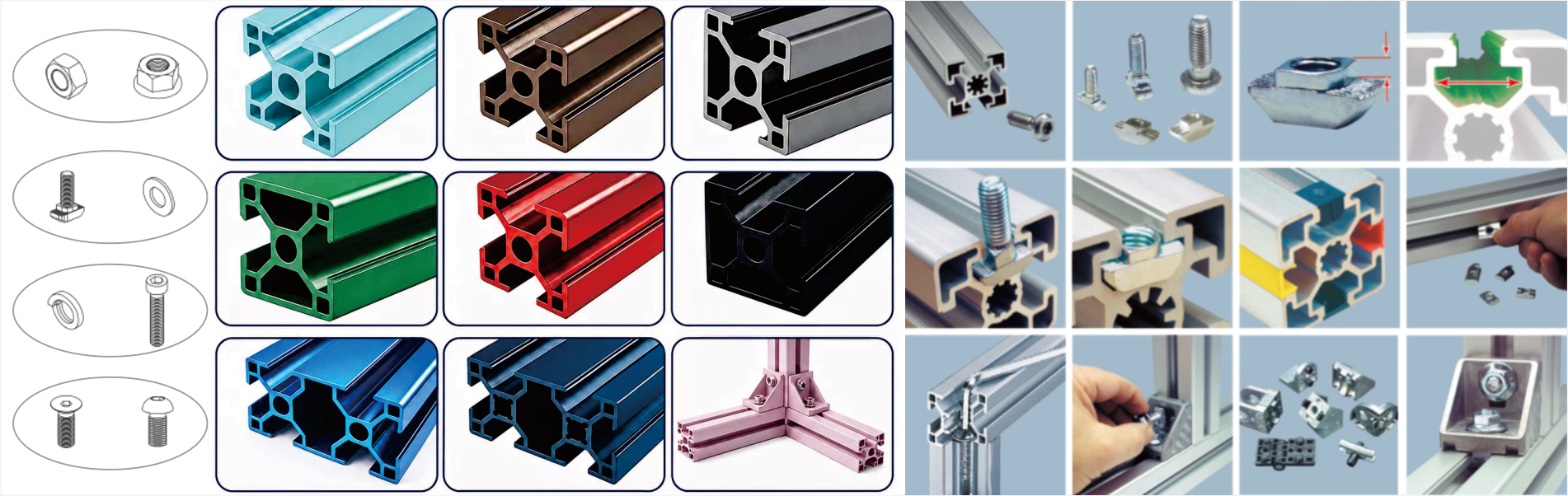
Before diving into the benefits, let us briefly define the system. A T‑slot aluminium framework is a modular construction system based on extruded aluminium profiles with longitudinal T‑shaped slots on one or more faces. These slots accept specialised connectors, fasteners, brackets, and end‑caps, allowing components to be joined together without welding, drilling, or complex machining.
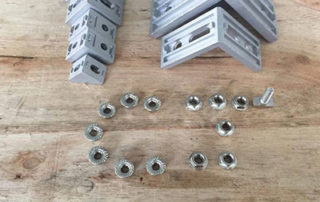
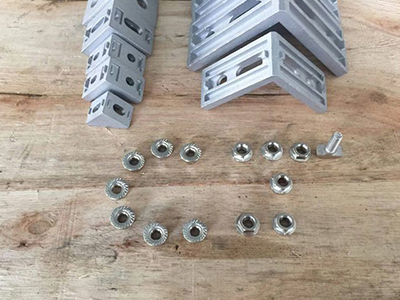
Hoonly’s extrusion framework, for example, combines precision‑engineered profiles with a comprehensive range of accessories—including angle brackets, hidden fasteners, hinge joints, and levelling feet. This system enables designers and purchasers to configure structures that are strong, lightweight, and infinitely adjustable. The result is a building‑block approach that transforms how industrial structures are designed, assembled, and modified.
Now, let’s explore the four distinct advantages that set T‑slot aluminium apart from steel, stainless steel, or wooden alternatives.
1. Versatile Applications Across Industries
One of the most compelling reasons to choose T‑slot aluminium is its sheer versatility. The material itself—aluminium—offers a unique combination of properties: it is lightweight yet strong, corrosion‑resistant, thermally conductive, and fully recyclable. When extruded into T‑slot profiles, these characteristics open the door to an astonishing range of uses.
Industrial and automation settings are the most obvious beneficiaries. T‑slot frames are ideal for:
But the application list does not stop there. In the construction and architectural sectors, T‑slot profiles are used for decorative facades, sound‑insulating panels, and even thermal break systems. Their good sound insulation and heat preservation properties, combined with their recyclability, make them a sustainable choice for green buildings.
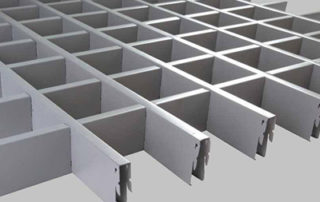
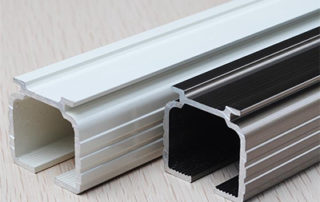
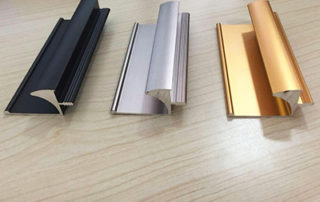
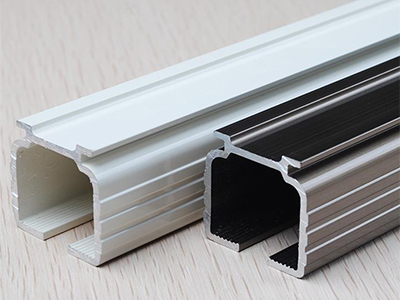
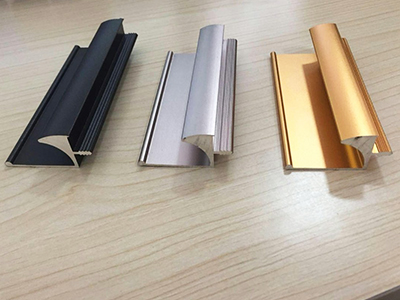
Moreover, commercial and office environments have embraced T‑slot aluminium for workstations, shelving systems, display stands, and modular partitions. The clean, anodised finish (available in silver or black) lends a modern aesthetic that fits seamlessly into any interior design.
Even consumer products benefit from this system—think of adjustable ladder frames, greenhouse structures, and DIY furniture kits. In short, whether you are building a heavy‑duty industrial gantry or a sleek retail display, T‑slot aluminium adapts to the task with minimal customisation.
2. Rapid Assembly and Significant Labour Savings
Let us address the elephant in the room: aluminium typically costs more per kilogram than mild steel. However, focusing solely on material cost is short‑sighted. The total installed cost—which includes labour, tooling, downtime, and rework—often tells a very different story.
With a T‑slot aluminium framework, assembly is remarkably straightforward. There is no need for specialised welding skills, heavy cutting equipment, or complex jigs. All you need are standard hand tools—hex keys, wrenches, and a tape measure. The modular connectors slide into the T‑slots, and tightening a single screw secures the joint. A basic frame can be assembled in hours, not days.
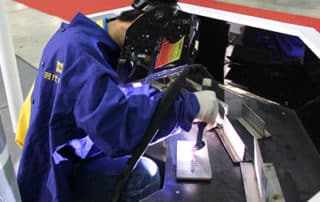
Contrast this with steel fabrication. To build a comparable steel structure, you must:
Each of these steps adds time, cost, and complexity. Moreover, any miscalculation in measurement or alignment can lead to costly rework. With T‑slot aluminium, assembly is forgiving—you can loosen a fastener, slide a profile a few millimetres, and retighten. This eliminates the need for precise pre‑planning and allows on‑the‑fly adjustments.
In high‑labour‑cost regions, the savings are even more pronounced. Studies have shown that the total installation time for a T‑slot system can be 50‑70% less than an equivalent welded steel structure. When you factor in reduced downtime during installation and the ability to use in‑house staff rather than external contractors, the economic case becomes compelling.
3. Adaptability to Change and Superior Aesthetics
In today’s fast‑paced manufacturing environment, change is the only constant. Production lines are reconfigured, equipment is upgraded, and layouts are optimised regularly. A fixed, welded steel structure is a liability in such a dynamic setting—once it is welded, it is essentially permanent. Modifying it requires cutting, re‑welding, and repainting, all of which interrupt operations and incur significant expense.
T‑slot aluminium frameworks, by contrast, are inherently adaptable. Because they are assembled with mechanical fasteners, you can disassemble, rearrange, or expand the structure with ease. Need to add a new conveyor section? Simply unbolt a few profiles and insert new ones. Need to relocate a robotic arm? Loosen the brackets, slide the profile to a new position, and retighten. The system supports vernier adjustment—you can shift components by millimetres to achieve perfect alignment, something that is impossible with welded steel.
This adaptability also extends to future‑proofing. As your production needs evolve, your framework can evolve with them—no scrapping, no waste, and no costly rebuilds. For companies committed to lean manufacturing and continuous improvement, this flexibility is invaluable.
Equally important is the visual appeal. Steel structures, even after painting, often look industrial and utilitarian. They are prone to chipping, scratching, and rust over time. T‑slot aluminium profiles are typically anodised, which creates a hard, corrosion‑resistant surface that does not peel or flake. The natural metallic sheen, available in silver or black, gives a clean, modern appearance that enhances the overall professionalism of your workspace. In industries where cleanliness and presentation matter—such as food processing, electronics assembly, or medical device manufacturing—this aesthetic advantage is a significant plus.
4. Simplified Maintenance and Long‑Term Cost Efficiency
Maintenance is an unavoidable part of any industrial operation, but it does not have to be a nightmare. With T‑slot aluminium frameworks, maintenance is straightforward and minimally disruptive.
If a profile becomes damaged—for example, a heavy impact bends a segment—you can simply replace that single piece without affecting the rest of the structure. There is no need to shut down the entire line for welding or cutting. You unbolt the damaged section, slide in a new profile, and tighten the fasteners. The whole process may take less than an hour, and production can continue with minimal interruption.
Contrast this with steel. If a welded steel frame is damaged, you must:
This can take days, leading to expensive downtime. Moreover, steel is susceptible to corrosion, especially in humid or chemically aggressive environments. Even with protective coatings, rust will eventually develop, necessitating periodic repainting—a costly and messy task.
Aluminium’s natural corrosion resistance eliminates this issue. Anodised profiles maintain their integrity and appearance for decades with virtually no maintenance. Additionally, the modularity of T‑slot systems means that spare parts are standardised and readily available. You do not need to keep custom‑fabricated pieces on hand; you simply stock a few common profiles and connectors.
Over the life of a facility, these maintenance advantages translate into lower total cost of ownership. When you factor in reduced downtime, easier repairs, and longer service life, T‑slot aluminium often proves more economical than steel in the long run.
A Word of Caution: Know Your Load Requirements
While T‑slot aluminium frameworks offer numerous benefits, it is important to acknowledge one limitation: aluminium is not as strong as steel on a per‑volume basis. Its strength‑to‑weight ratio is excellent, but for extremely heavy loads or high‑impact applications, steel may still be necessary.
That is why Hoonly always emphasises the importance of proper engineering evaluation. Before selecting a framing system, you should carefully assess the loads, forces, and dynamic stresses that your structure will encounter. Factors such as static weight, vibration, torsion, and safety margins must all be considered.
Fortunately, Hoonly provides comprehensive technical support to help you choose the right profiles, connectors, and reinforcements for your specific application. Their engineering team can perform load calculations, recommend appropriate extrusions, and even design custom solutions if standard profiles do not meet your needs.
Why Choose Hoonly for Your T‑Slot Framework?
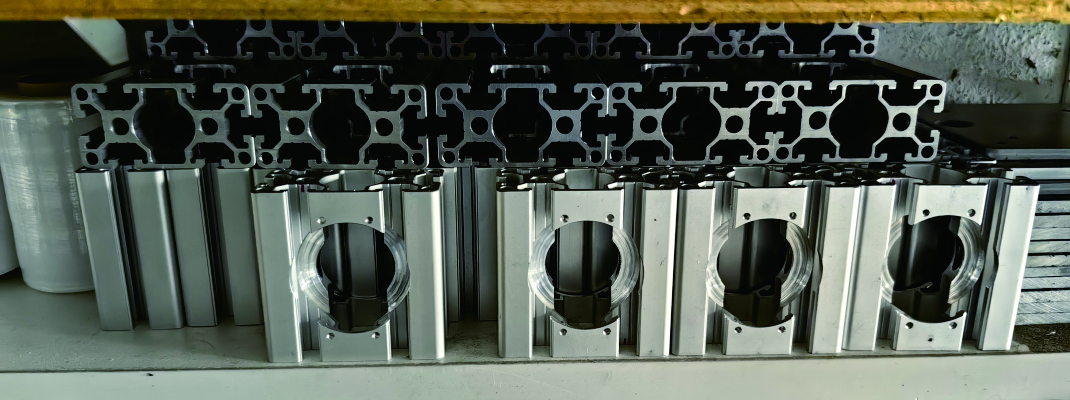
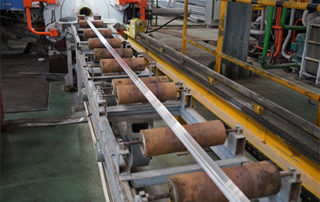
With so many suppliers on the market, what sets Hoonly apart? It is not just the quality of their aluminium extrusions—though that is certainly world‑class. It is their full‑service approach. From initial design consultation and die development to extrusion, machining, surface finishing, and assembly, Hoonly handles every step in‑house. This ensures consistent quality, faster lead times, and seamless communication.
Their product range covers not only standard T‑slot profiles but also custom extrusions tailored to your drawings. They offer a wide selection of connectors, brackets, end caps, hinges, and levelling feet, so you have everything you need for a complete assembly. And their commitment to on‑time delivery and ongoing technical support gives you peace of mind throughout your project lifecycle.
Final Thoughts
T‑slot aluminium frameworks are not just a trend—they are a practical, forward‑thinking solution for modern industry. Their versatility, ease of assembly, adaptability, and low‑maintenance nature address the real‑world challenges faced by engineers and plant managers every day. While the upfront material cost may be higher than steel, the total cost of ownership—including labour, downtime, and future modifications—often favours aluminium.
If you are still unsure which framing system is right for your application, Hoonly’s technical team is ready to help. You can reach them or request an estimate from their marketing personnel. Do not leave your framework to chance—choose a partner who understands both the material and your unique operational needs.
After all, a structure is only as good as its foundation. With Hoonly T‑slot aluminium, you are building not just for today, but for a flexible, efficient, and sustainable tomorrow.
What Does Hoonly Do?
In the fast-evolving aluminium extrusion industry, businesses across automation, manufacturing, construction, [...]
4 Advantages of T‑Slot Aluminium Framework
When you walk onto a modern factory floor, you will likely [...]
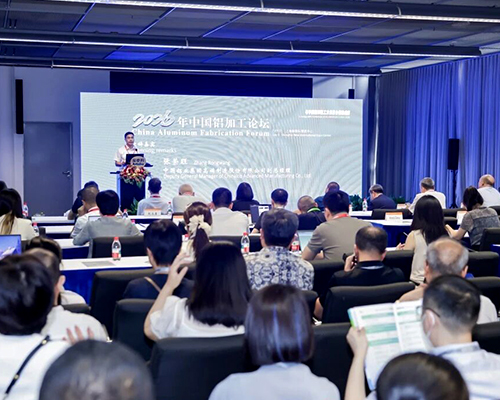

Aluminium China 2026: 5 Signals That the Industry Is Breaking Cycles and Forging Ahead
This July 8–10, the Shanghai New International Expo Centre buzzed with [...]
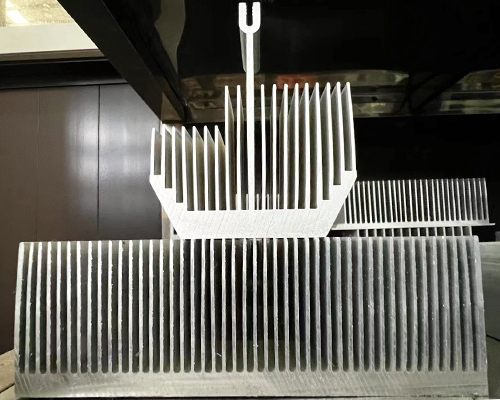
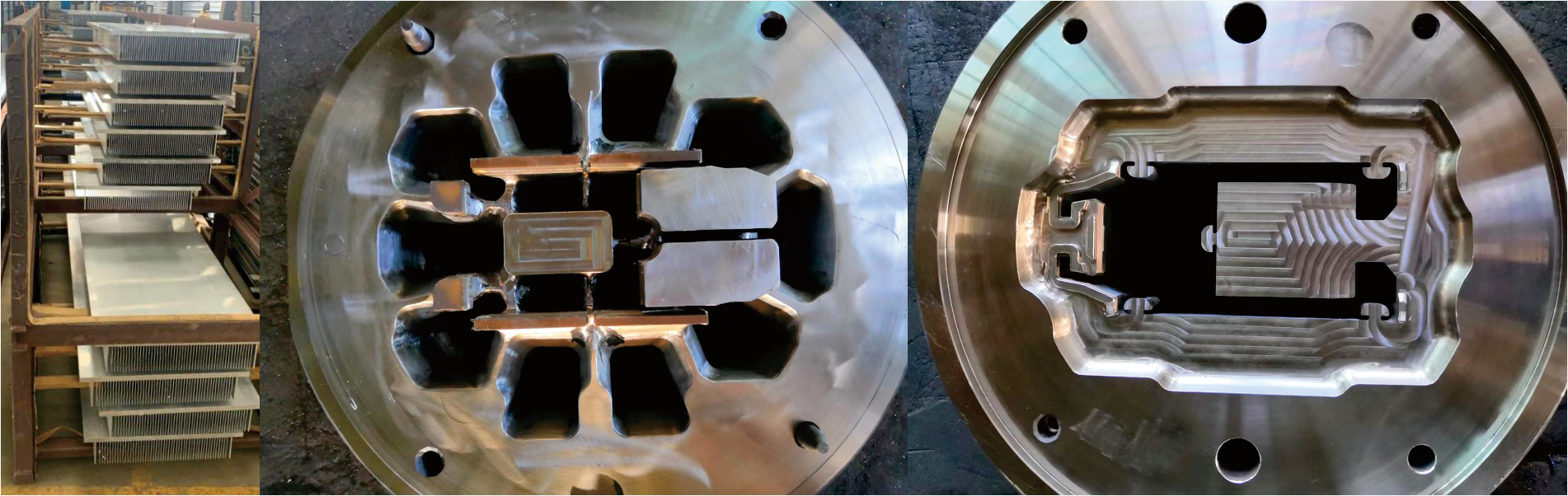
Exploring Die Design for Aluminum Extruded Heat Sink Profiles
In today’s high‑power electronics, automotive thermal management, and precision instrumentation, heat [...]